 KH
KH  FR
FR  AR
AR CN
CNUN Special Rapporteur Urges Thailand, Cambodia to Work Together to Enable Nearly 20,000 Displaced Cambodians to Return Home
AKP Phnom Penh, October 1, 2026 --
The UN Special Rapporteur on the situation of human rights in Cambodia has urged the Thai and Cambodian Governments to work constructively and in good faith to ease tensions, protect the human rights of all people affected by the conflict, and enable displaced persons to return home voluntarily, safely and with dignity.
The call was made by Mr. Thom H. Andrews in his latest report submitted to the United Nations Human Rights Council, which addresses some human rights issues in Cambodia, including the impact of the Cambodia-Thailand border conflict.
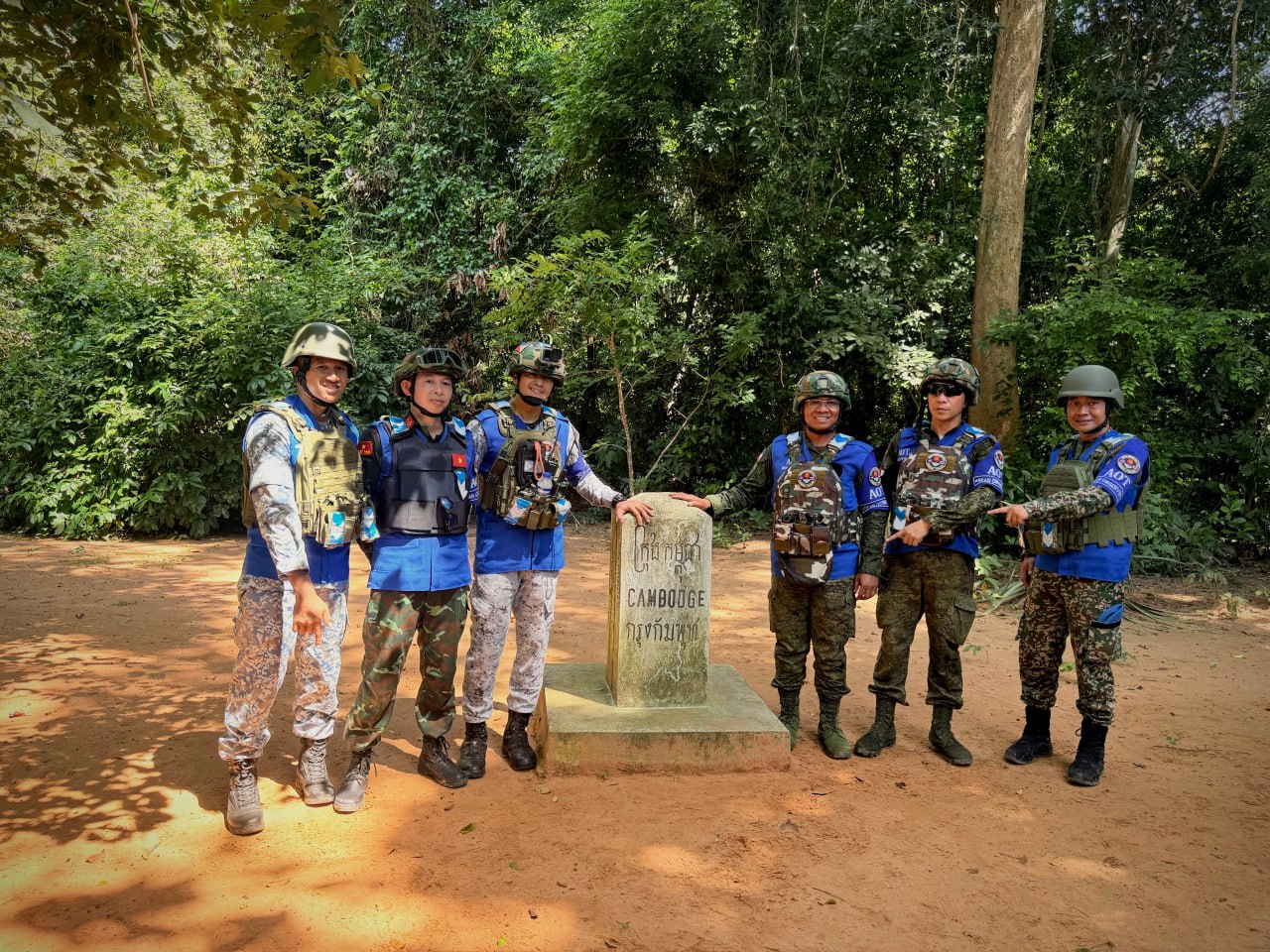
In relation to the border situation, the Special Rapporteur urged Cambodia and Thailand to respect human rights and fully implement the Joint Statement of the Cambodia-Thailand General Border Committee (GBC) issued on Dec. 27, 2025.
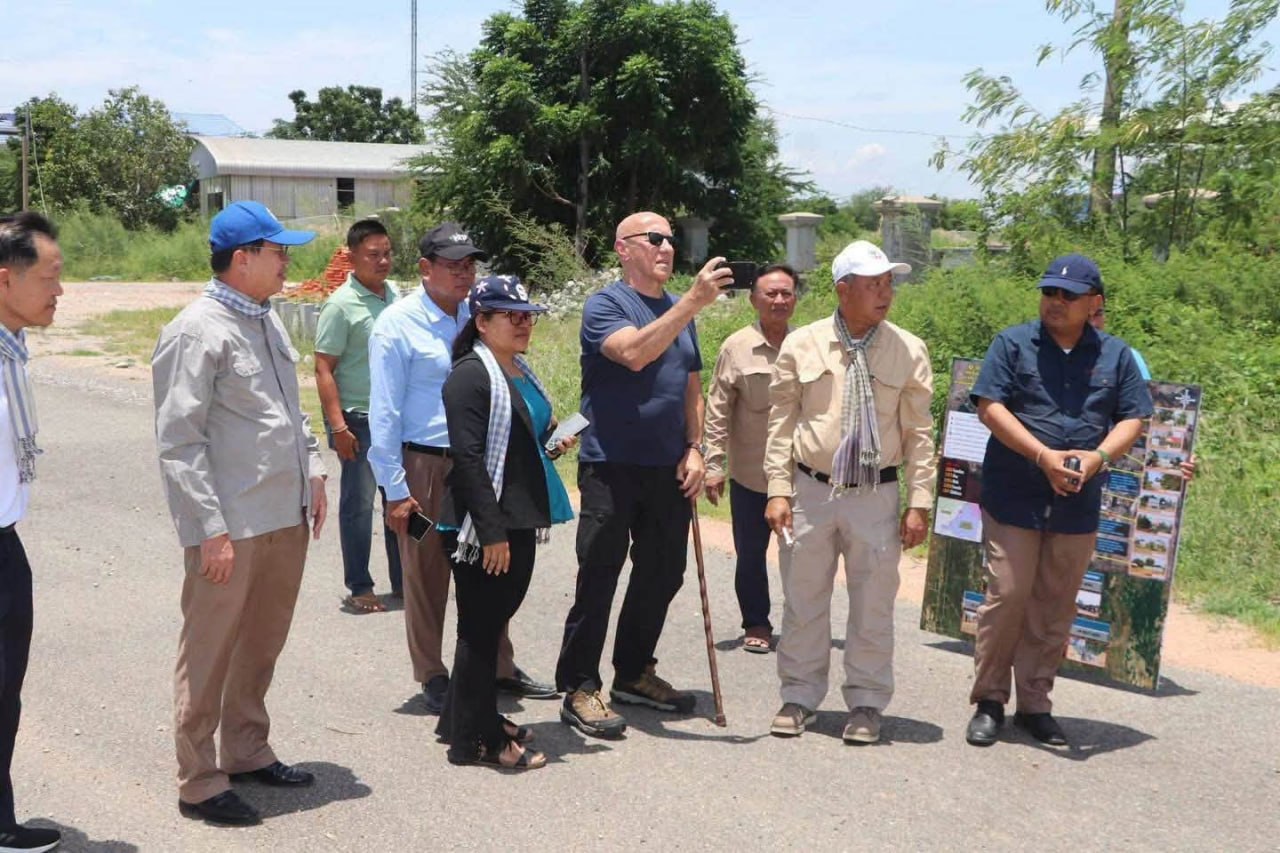
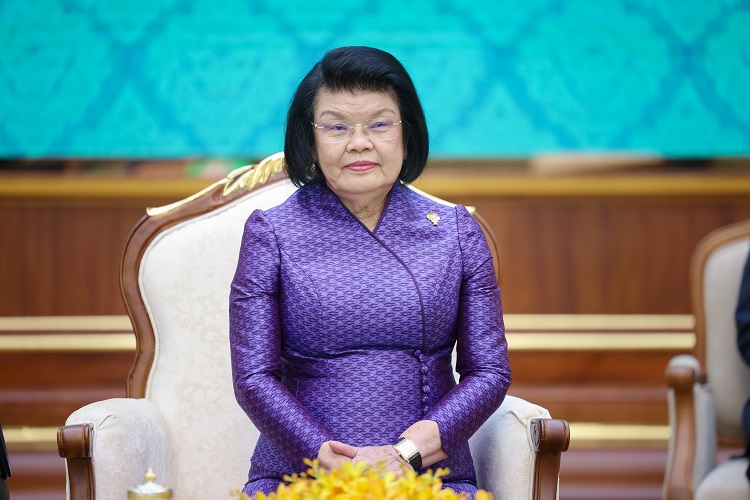
According to the report, Mr. Andrews received briefings from several senior Cambodian officials, including the President of the Senate and the Prime Minister, as well as local authorities and the Governor of Banteay Meanchey province. He also engaged with the Thai Government regarding the human rights impacts of the conflict.
The report stated that despite cash assistance, food distribution and other support programmes provided by the government and non-governmental organisations, the situation of forcibly displaced Cambodian civilians remained serious. Many people fled with only belongings they could carry by hand or transport by motorcycle, leaving behind property and livelihoods.
The Special Rapporteur noted that many of those who remained displaced came from villages and communities directly along the border. Many depended on cross-border trade or employment in Thailand for their livelihoods and were unable to find alternative work. Displaced people also reported difficulties in providing food and clothing for their families and concerns about meeting their needs in the coming months.
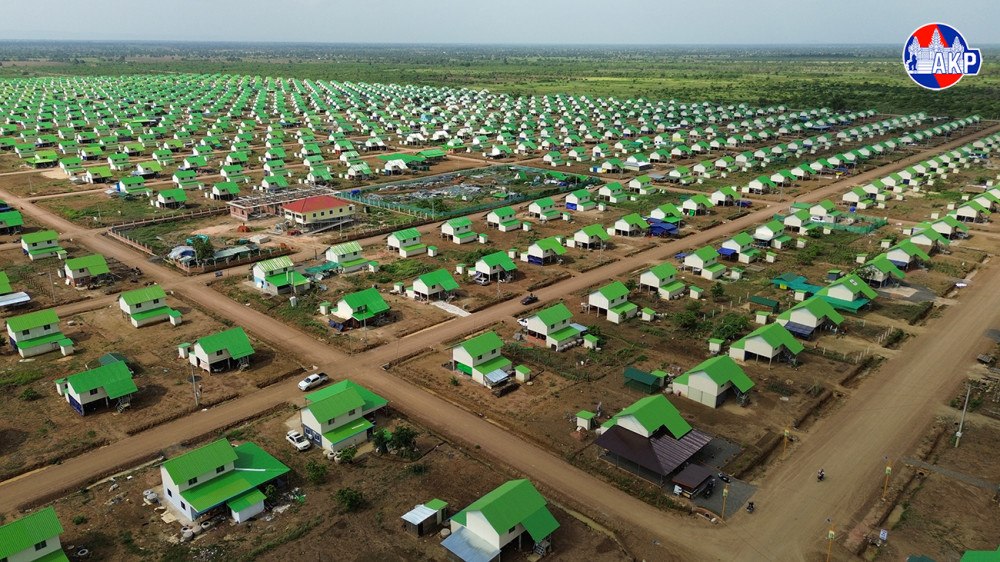
As of September, more than 18,000 Cambodian civilians were reportedly still unable to return home, according to the report. Mr. Andrews also visited a large displacement site in Banteay Meanchey province established by the Royal Government of Cambodia, where more than 13,000 people were staying in some 3,300 houses built on 20-by-30-metre plots that could also be used for small-scale farming or businesses.
The report further stated that publicly available satellite imagery showed the destruction of hundreds of civilian homes and structures in areas currently under the control of Thai forces.
Mr. Andrews stressed that international humanitarian law clearly provides that displaced persons have the right to return to their homes once the circumstances that caused their displacement no longer exist.
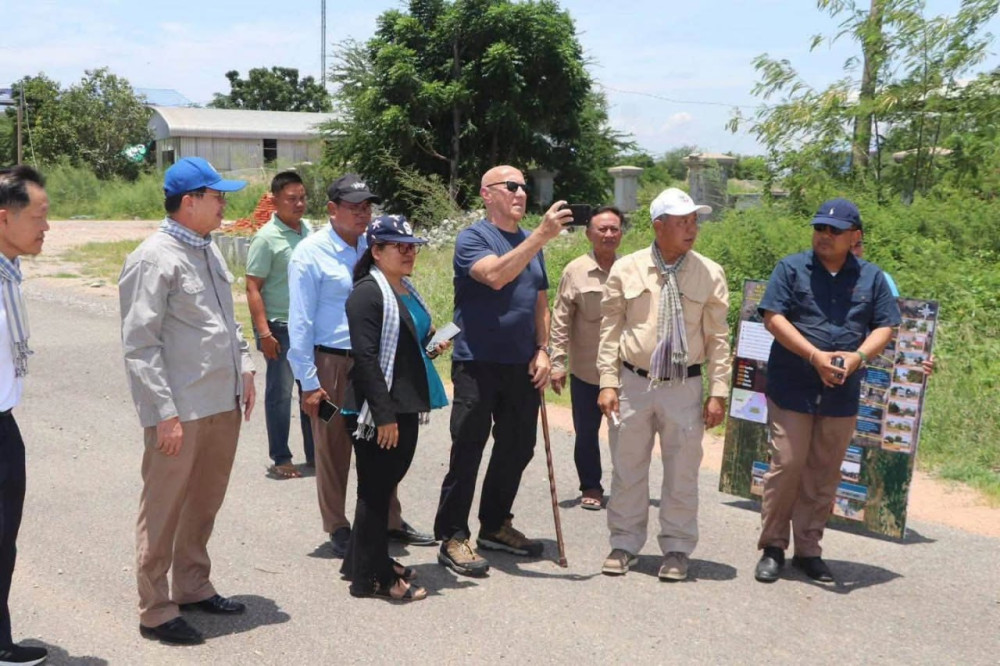
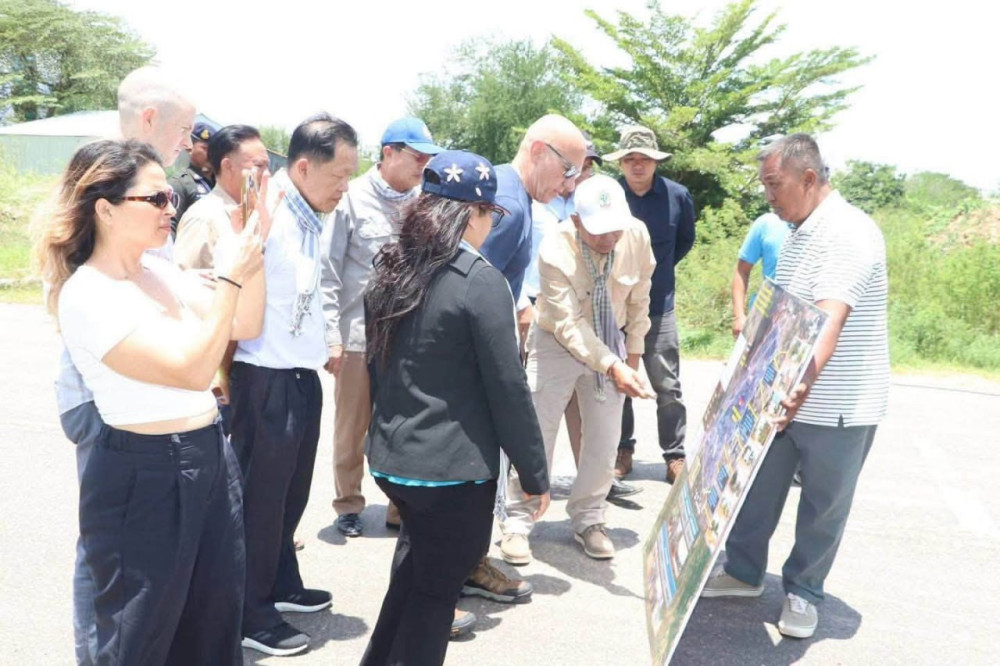
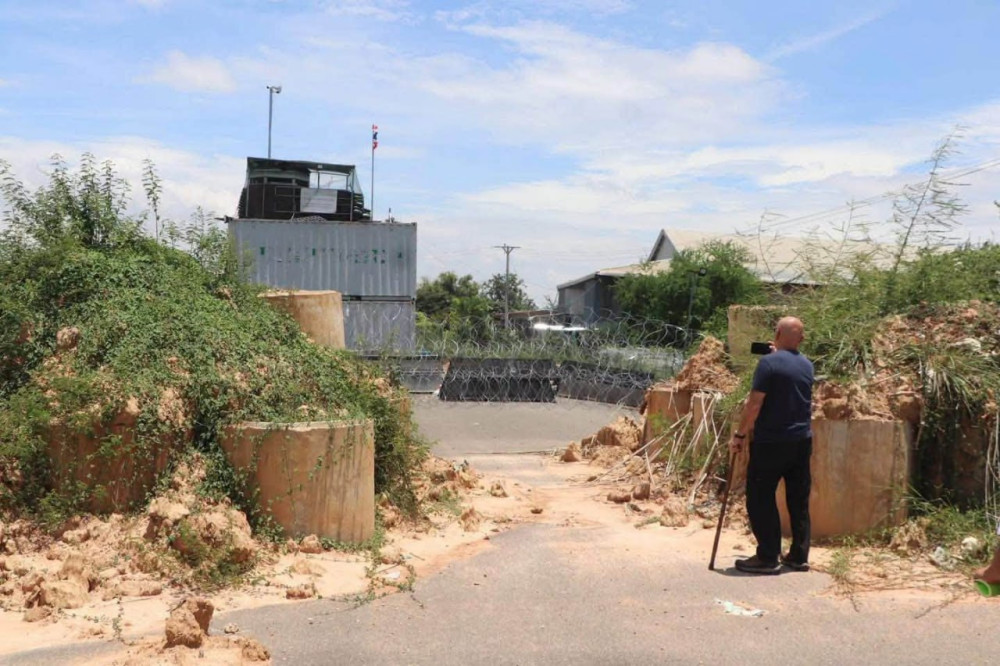
The Special Rapporteur visited Cambodia in July 2026 and said he had directly observed the impacts of the border conflict, including the placement of containers and barbed wire thatprevented Cambodian civilians from returning to their homes.
Before leaving Cambodia, Mr. Andrews also told a press conference that, under international law, civilians displaced by armed conflict have a full right to return to their original homes. He noted that the Dec. 27 ceasefire agreement between Cambodia and Thailand explicitly provides that civilians should be allowed to return safely and without obstruction to their homes and livelihoods.
By C. Nika