 KH
KH  FR
FR  AR
AR CN
CNTimor-Leste seeks quality investment to enhance competitiveness
AKP Phnom Penh, 15 September, 2026 —
Timor-Leste’s Minister of Commerce and Industry Filipus Pereira has stressed that the country’s ASEAN integration should not be viewed simply as a way to expand markets, but also as an opportunity to strengthen the capacity of people, businesses and domestic institutions, while attracting quality investment to enhance the country’s competitiveness.
He made the remarks at a policy dialogue themed “Building Resilient Trade and Investment Frameworks in a Diverse Global Landscape”, held on the sidelines of the 11th Belt and Road Summit in Hong Kong (China).
According to Pereira, Timor-Leste’s micro, small and medium-sized enterprises (MSMEs) still face constraints in accessing finance, technology, market information, quality standards and digital tools. The government is therefore working to enhance export capacity and attract investment, while encouraging a shift from raw-material exports to developing higher value-added products and services, particularly in agriculture, fisheries and resource extraction.
Pereira also highlighted the potential of e-commerce and digital trade to help Timor-Lesste's small economy overcome geographical constraints by connecting domestic producers with consumers in regional and international markets. To support trade and investment, he said the country needs to further improve customs procedures, infrastructure, connectivity, standards, regulatory transparency and the investment environment.
Regarding foreign investment attraction, the Timor-Leste government is shifting its focus from simply securing capital to prioritising projects that can create jobs, transfer technology and skills, support domestic businesses and strengthen long-term production capacity. Such quality investment, Pereira noted, should generate broader economic impacts rather than simply provide additional capital.
Timor-Leste has identified three key priorities: diversifying products and markets to reduce dependence on external factors; enabling MSMEs to participate more deeply in regional trade; and prioritising investment projects that bring technology, professional skills, innovation and long-term production capacity.
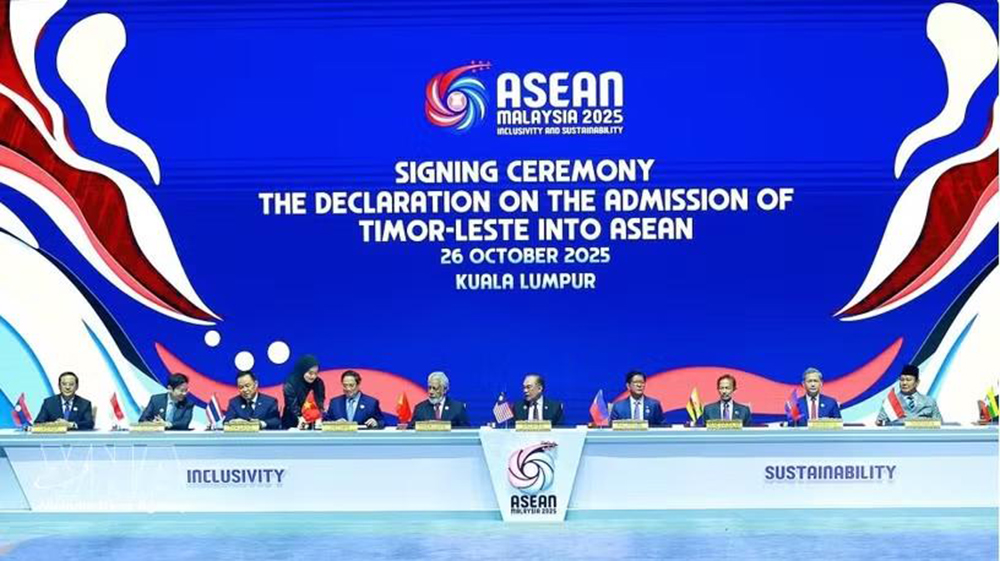
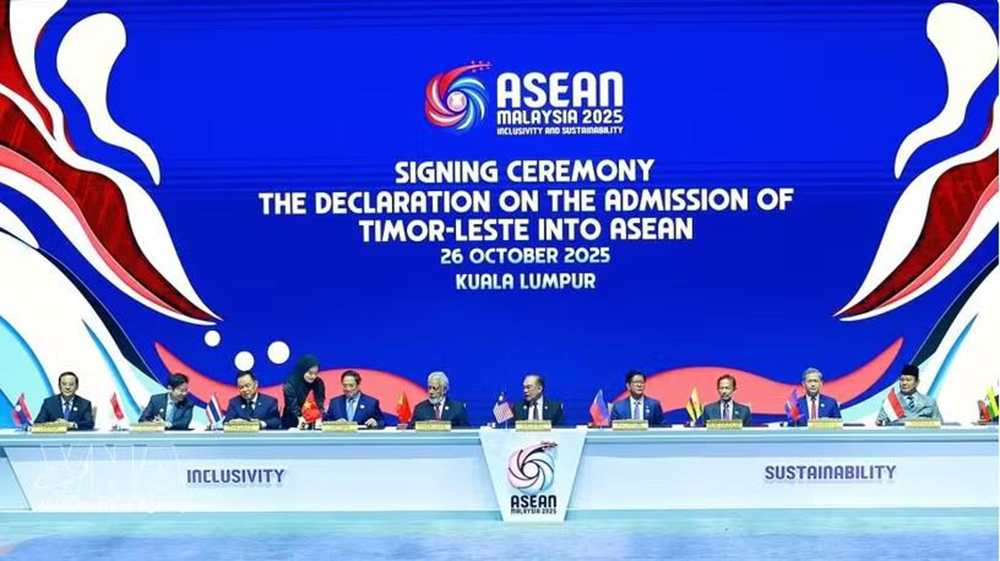
Against this backdrop, it sees ASEAN as a platform for learning, building capacity and gradually integrating into regional value chains. The World Bank’s Timor-Leste Economic Report 2026 also assessed that ASEAN membership could help the country expand market access, strengthen investor confidence and promote regional economic integration, while providing impetus for institutional reforms and improvements to the business environment.
AKP-VNA