 KH
KH  FR
FR  AR
AR CN
CNCambodia Urges Full Respect for International Law to Ensure Lasting Peace
AKP Phnom Penh, September 9, 2026 --
Cambodia has called for full respect for international law, including sovereignty, territorial integrity and the peaceful settlement of disputes, stressing that lasting peace requires more than simply the absence of armed conflict.
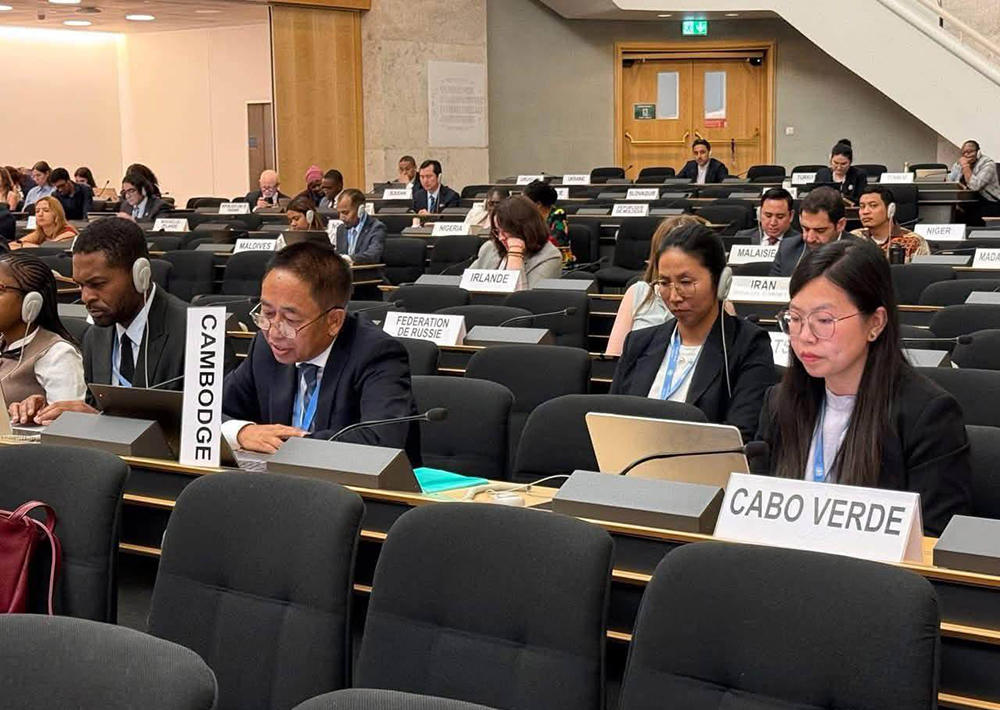
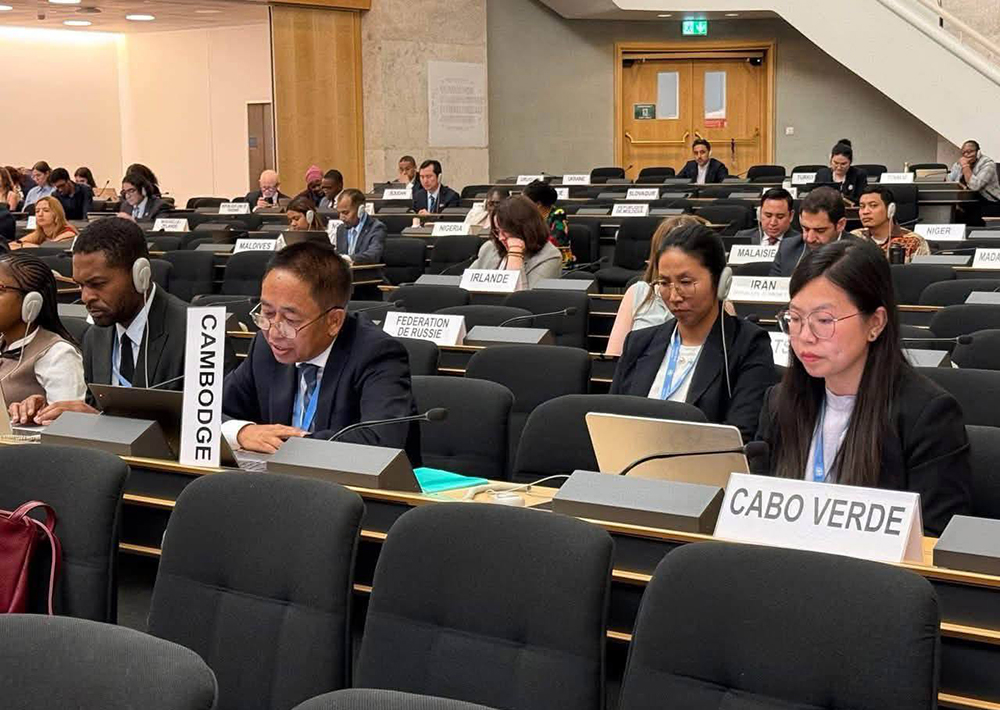
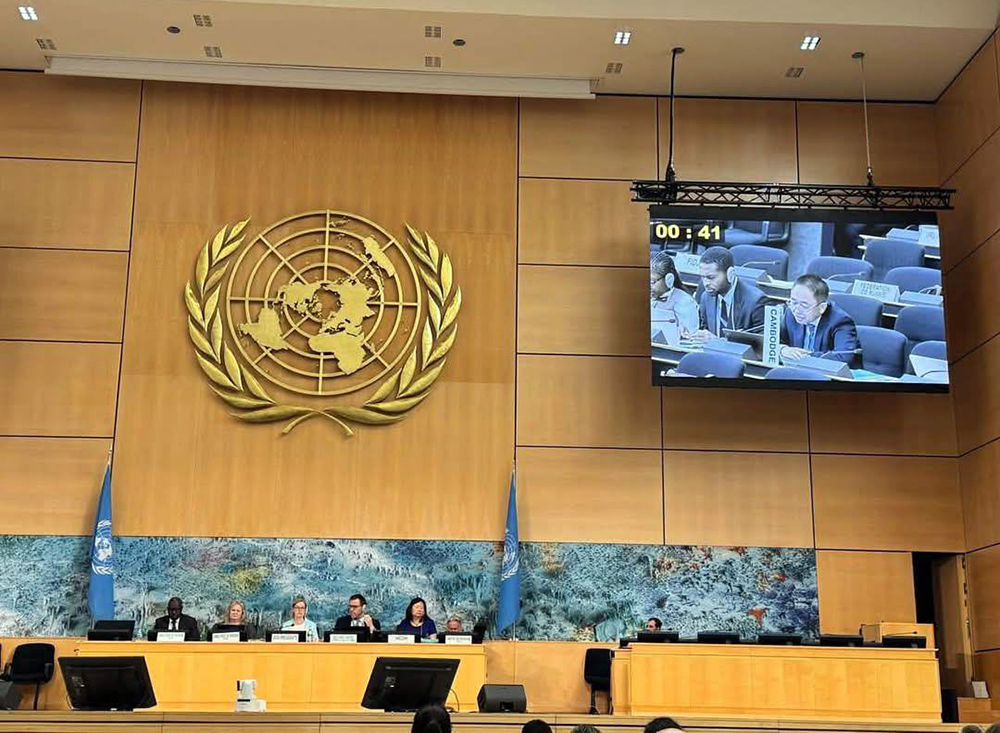
The call was made by H.E. Ke Sovann, Ambassador and Permanent Representative of Cambodia to the United Nations Office and other international organisations in Geneva, while addressing the 63rd Session of the Human Rights Council on Sept. 8, 2026, under Item 2 on the general debate on the annual report of the UN High Commissioner for Human Rights.
H.E. Ke Sovann said Cambodia shared the High Commissioner’s concerns over the growing number of armed conflicts, civilian suffering and the diminishing respect for international human rights and humanitarian law, as well as the UN Charter.
“For Cambodia, these concerns remain immediate,” he said, noting that although the December 2025 ceasefire between Cambodia and Thailand remains in place, more than 20,000 displaced Cambodians are still unable to return home safely and with dignity.
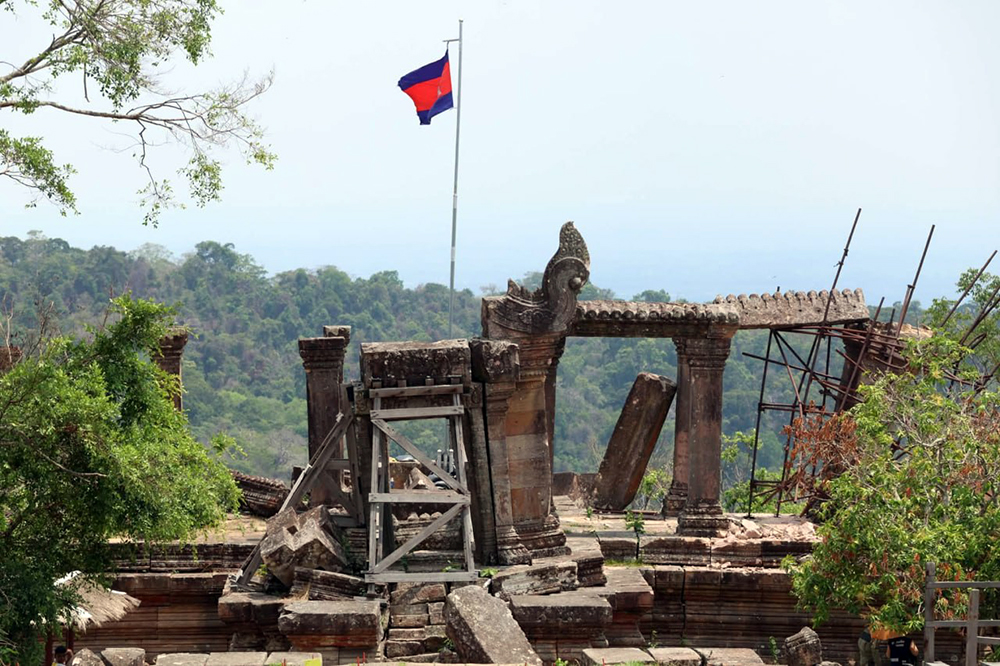
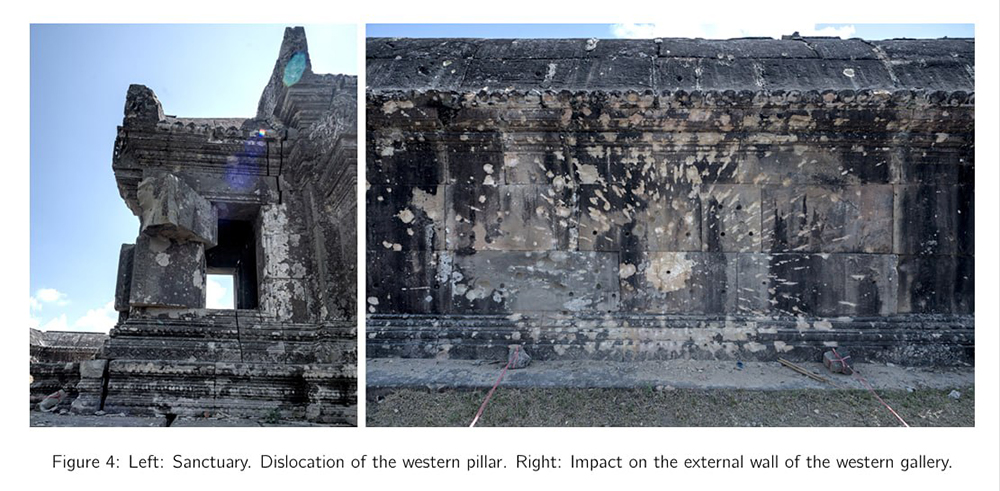
He said homes and civilian infrastructure had been destroyed, seriously affecting livelihoods and education, particularly for women and children.
Cambodia is also gravely concerned that Thai armed forces continue unlawful activities in occupied areas well within Cambodian territory, creating faits accomplis through the installation of barbed wire and containers, the construction of military and civilian infrastructure, and the issuance of land titles to Thai citizens before joint border demarcation, he added.
H.E. Ke Sovann welcomed international support for the ceasefire and humanitarian relief, but stressed that peace requires more than the absence of fighting. It must also protect civilians and enable their safe and dignified return home.
“Cambodia urges full respect for international law, including sovereignty, territorial integrity and the peaceful settlement of disputes, in order to end civilian suffering and achieve lasting peace,” he concluded.
By C. Nika