 KH
KH  FR
FR  AR
AR CN
CNInformation Minister Calls for Safe Return of More Than 6,000 Displaced Cambodian Children
AKP Phnom Penh, September 9, 2026 --
Minister of Information H.E. Neth Pheaktra has called for greater attention to the plight of more than 6,000 Cambodian children who remain displaced and unable to return to their homes and schools following the Cambodia-Thailand border conflict.
In a Facebook post on Sept. 9, H.E. Neth Pheaktra said humanitarian assistance could ease the suffering of displaced children but could not replace their homes, schools or right to return to a normal life.
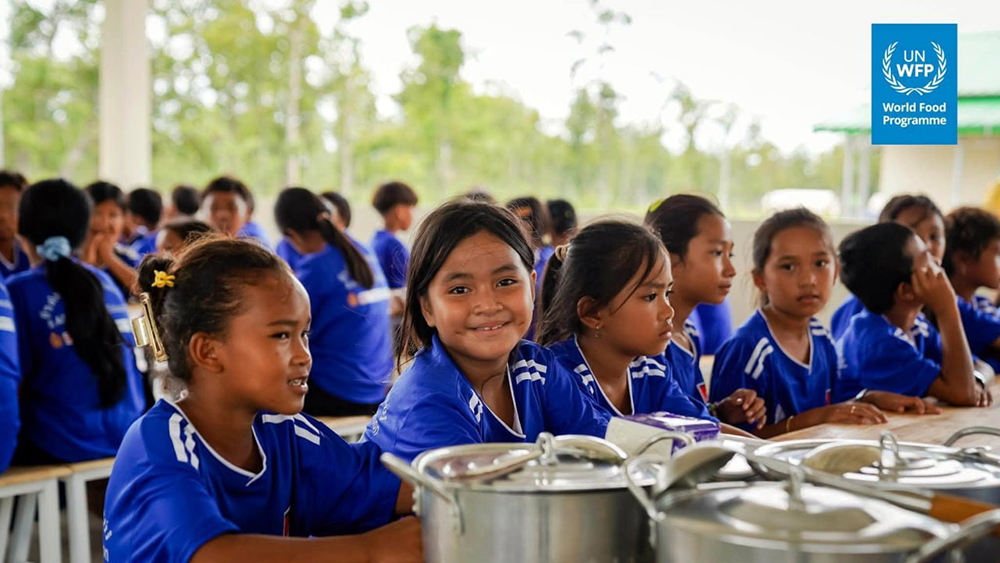
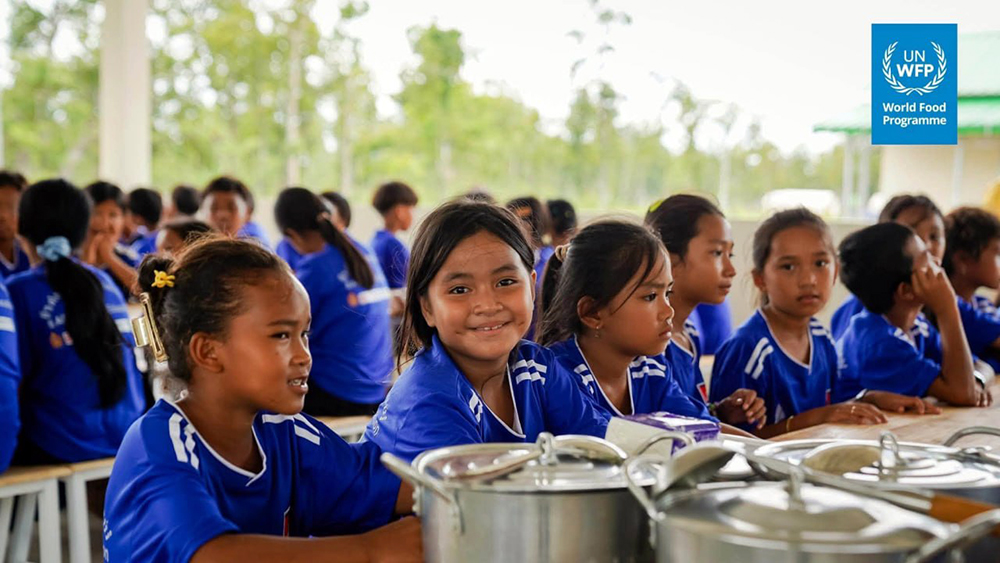
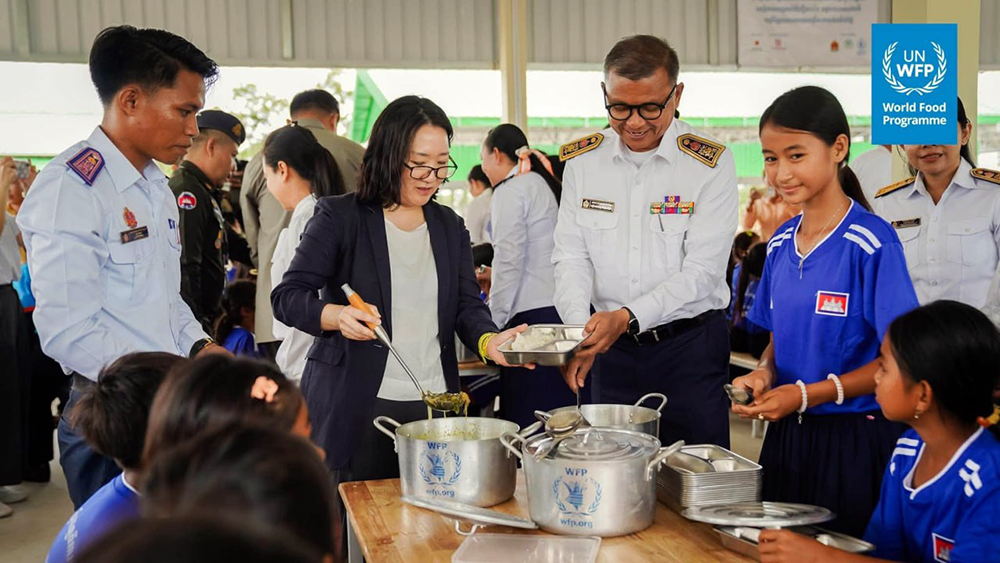
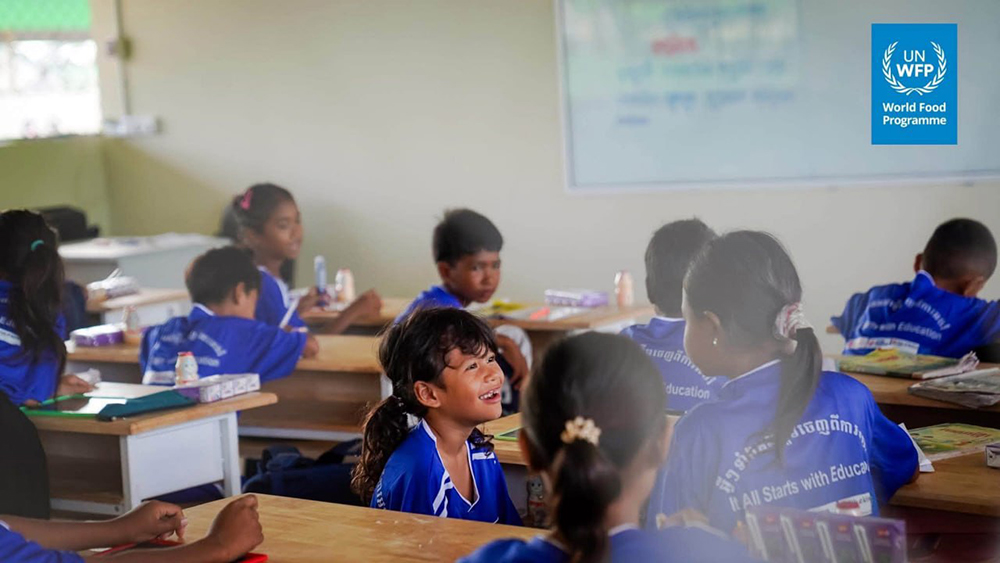
He made the remarks after H.E. Hang Chuon Naron, Deputy Prime Minister and Minister of Education, Youth and Sport, and Ms. Kyung-nan Park, Country Director of the World Food Programme (WFP), visited a displacement site in Preah Vihear province, where WFP is providing breakfast and supporting temporary education for displaced children.
H.E. Neth Pheaktra expressed appreciation to WFP, the people of Japan and other partners supporting affected children and families, while stressing that humanitarian assistance addresses the consequences rather than the conditions preventing displaced families from returning home.
According to the Minister, 6,066 Cambodian children remain among those unable to return home. He said these children have been deprived of their homes, schools, friends, communities and the sense of security they deserve.
He noted that temporary schools and food assistance could help children continue their education and maintain adequate nutrition, but stressed that temporary arrangements should not become permanent. He called on Thailand to strictly comply with Paragraph 4 of the Dec. 27, 2025 Joint Statement, which provides for the return of displaced civilians to their homes in safety and dignity.
H.E. Neth Pheaktra also raised concerns over barriers, barbed wire, restrictions on access to residential areas, damage and demolition of homes, and the presence of Thai military forces in Cambodian territory.
He said the issue was not merely about territory, as behind the barriers were homes, schools, farmland and communities whose normal lives had been disrupted. Prolonged displacement, he added, also has human rights and children’s rights implications.
The Minister stressed that territory could not lawfully be acquired by force, nor could barbed wire, barriers or newly constructed infrastructure create a new international boundary. He said boundaries must be determined through law and agreed mechanisms rather than by force or the creation of new facts on the ground.
He further argued that a ceasefire should mean more than the absence of gunfire. It should also involve no advance, no creation of new facts on the ground and no actions obstructing the safe return of displaced civilians.
According to H.E. Neth Pheaktra, more than 6,000 children and over 9,000 women remain unable to return home. Cambodia attributes the continuing displacement to Thai military actions and the unlawful occupation of Cambodian territory following the ceasefire.
He called on the international community to look beyond humanitarian assistance and ask why the children remain displaced and what is preventing their return, stressing that true peace would be achieved when families can safely return home and children can go back to their own schools and communities.
By C. Nika