 KH
KH  FR
FR  AR
AR CN
CNInternational Experts Unite in Call for Coordinated Action Against Online Scams at International Conference in Phnom Penh
AKP Phnom Penh, September 23, 2026 --
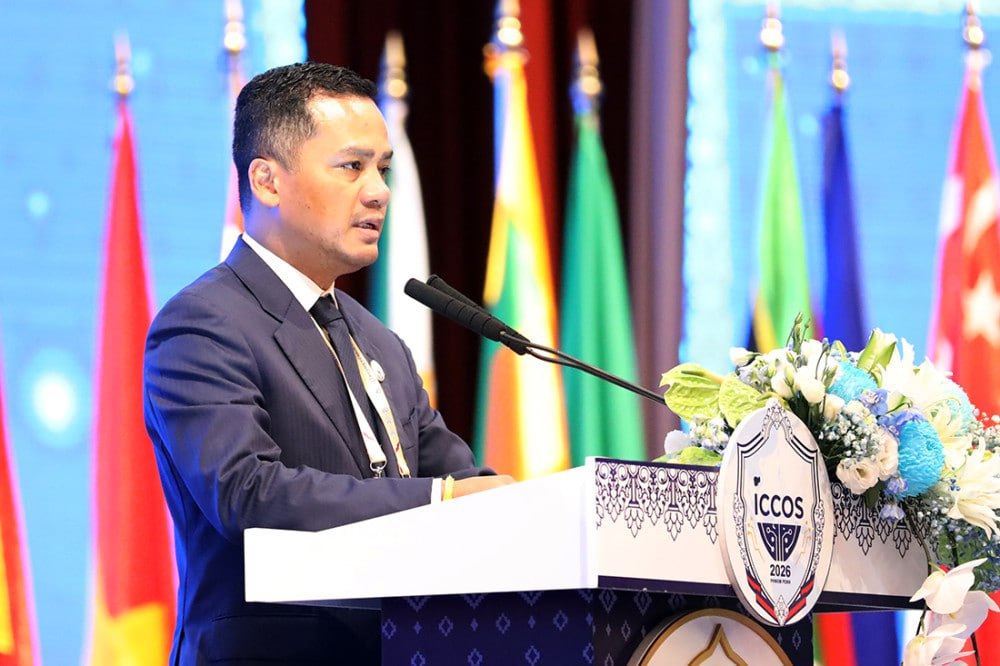
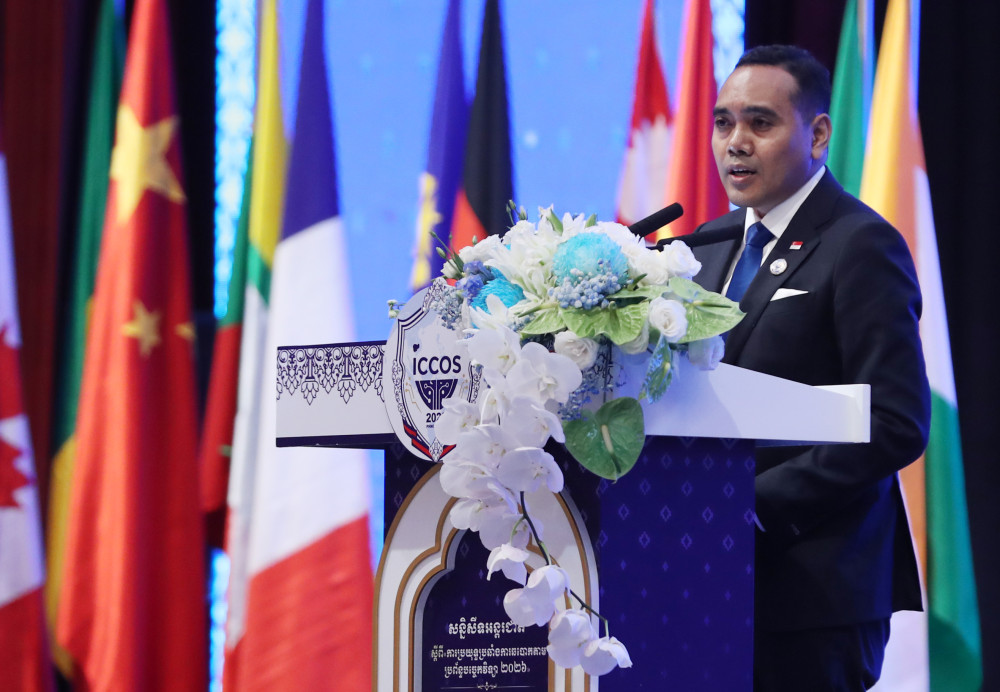
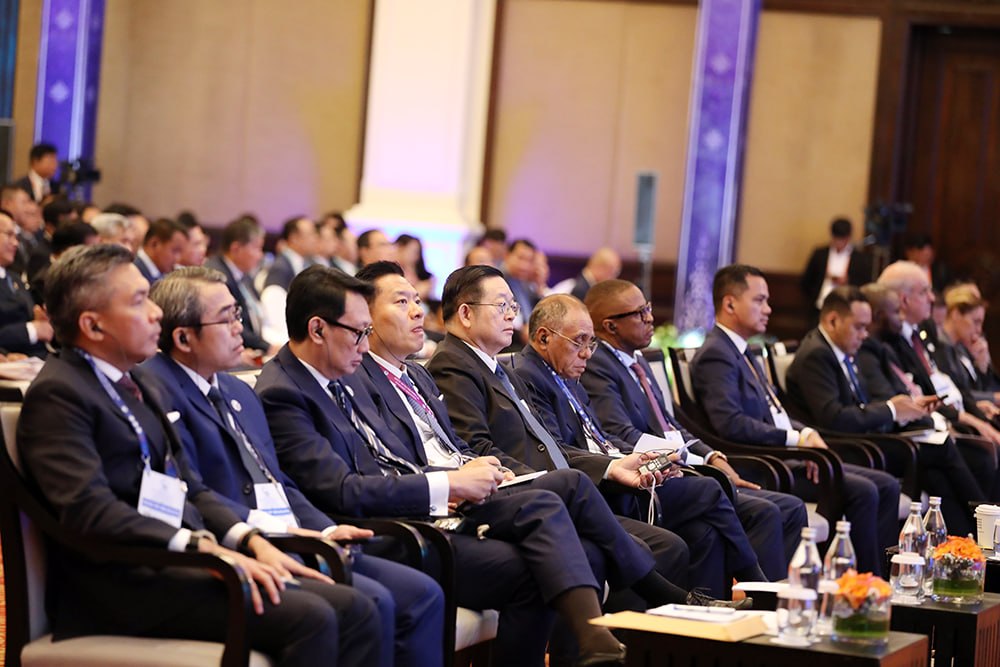
Senior officials from 10 countries and the ASEAN Secretariat shared common messages on the growing threat of online scams during the high-level session on “Online Scams as a Global Emergency” at the International Conference on Combating Online Scams in Phnom Penh this morning.
Speakers from Cambodia, Myanmar, Timor-Leste, Indonesia, Lao PDR, the Philippines, Singapore, Uganda, the United Kingdom, Viet Nam and the ASEAN Secretariat conveyed a central message that online scams have become a sophisticated form of transnational organised crime requiring a coordinated global response.
They stressed that effective action requires stronger laws, faster cross-border information sharing, joint law-enforcement operations and financial investigations.
The speakers agreed that criminal networks must be dismantled at every stage of the chain, from recruitment and human trafficking to scam operations, financial transfers and money laundering, while victims must be protected and perpetrators, particularly organisers and financiers, brought to justice.
They emphasised that online scams are a transnational and global threat and can no longer be treated solely as isolated or domestic crimes. Criminal networks operate across borders, exploiting differences in national laws, jurisdictions, technology and financial systems.
The speakers underlined that no single country can combat online scams alone, as criminals, victims, digital infrastructure, financial transactions and evidence are often located in different jurisdictions. Stronger international cooperation and information sharing are therefore essential.
They called for closer cooperation among governments, law-enforcement agencies and international organisations through rapid information exchange, joint investigations, mutual legal assistance and operational cooperation.
At the same time, they stressed that law-enforcement cooperation must move faster than criminal networks. Several speakers highlighted the need for real-time or rapid exchange of intelligence and digital evidence, as criminals can quickly move their operations, funds and infrastructure from one country to another.
The speakers also stressed the need to disrupt the financial networks behind online scams. As these crimes are closely linked to human trafficking and forced criminality, they noted that victims are not only subjected to financial fraud but can also be trafficked, deceived by fraudulent employment offers and forced to participate in scam operations.
They called for victims to be protected and assisted through a victim-centred approach, including rescue, protection, non-punishment of trafficked persons for crimes they were forced to commit, safe repatriation, consular assistance and other support.
At the same time, criminal organisers, financiers and facilitators should be targeted, while governments, the private sector and technology companies should work together to combat the crime.
The fight against online scams cannot be left to law-enforcement agencies alone, the speakers stressed, highlighting the roles of banks, telecommunications operators, technology companies, social media platforms and other private-sector stakeholders in detecting and disrupting scam infrastructure and financial flows.
They also recognised that criminal networks are exploiting digital platforms, cryptocurrency, artificial intelligence, deepfakes and other emerging technologies. In response, they called for stronger digital investigation, cybersecurity, digital forensics and technology-enabled cooperation.
The speakers highlighted the importance of updating national laws, strengthening institutions and developing mechanisms that enable authorities to investigate cybercrime, preserve digital evidence, cooperate across borders and prosecute perpetrators effectively.
They further stressed that the response should be based on shared responsibility rather than blaming individual countries. A consistent message was that online scams are driven by cross-border criminal networks, and countries should therefore focus on cooperation, mutual trust, shared responsibility and practical action rather than attributing the problem to any single country.
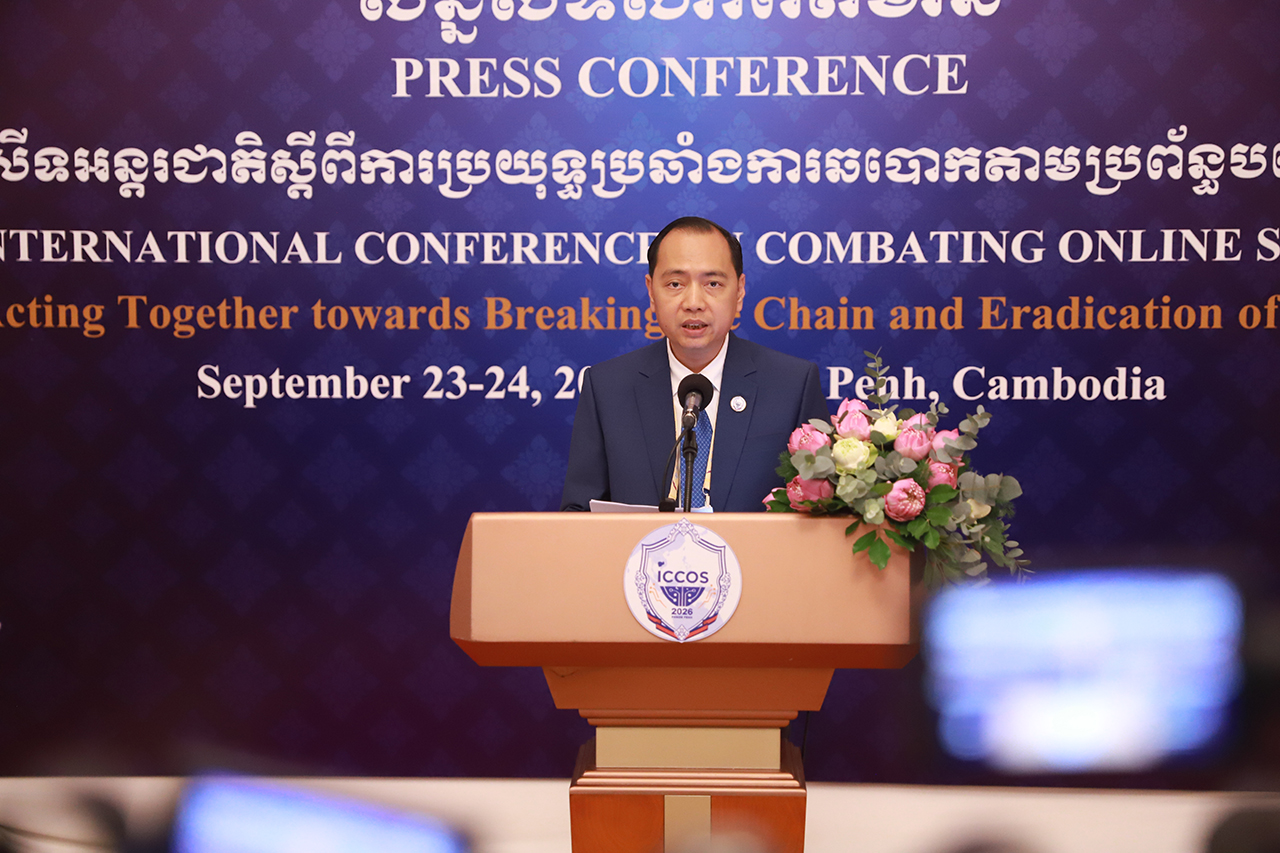
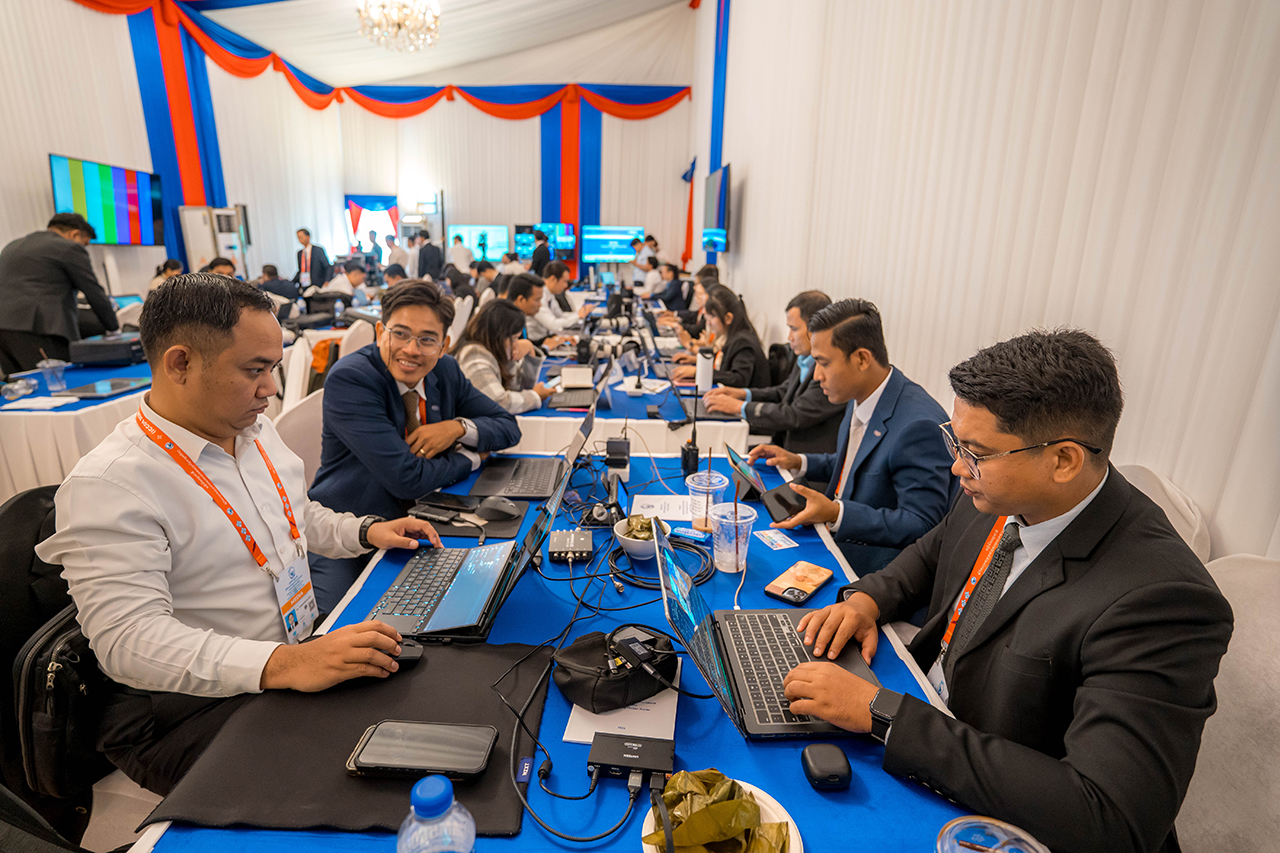
Cambodia is hosting the International Conference on Combating Online Scams in Phnom Penh on Sept. 23-24 under the theme “Acting Together Towards Breaking the Chain and Eradication of Online Scams.”


By Heng Panha